
Lekjaa: Casablanca Is the Heart of the 2030 World Cup; Building a Stadium in Two Years and a Hospital in 12 Is Unacceptable
Fouzi Lekjaa said Morocco’s hosting of the 2030 World Cup is a collective responsibility and an opportunity to develop infrastructure and national capabilities, and to deliver economic and social benefits that will last beyond the tournament. He spoke during a discussion of the 2027 draft finance law by the House of Representatives’ Finance and/E?
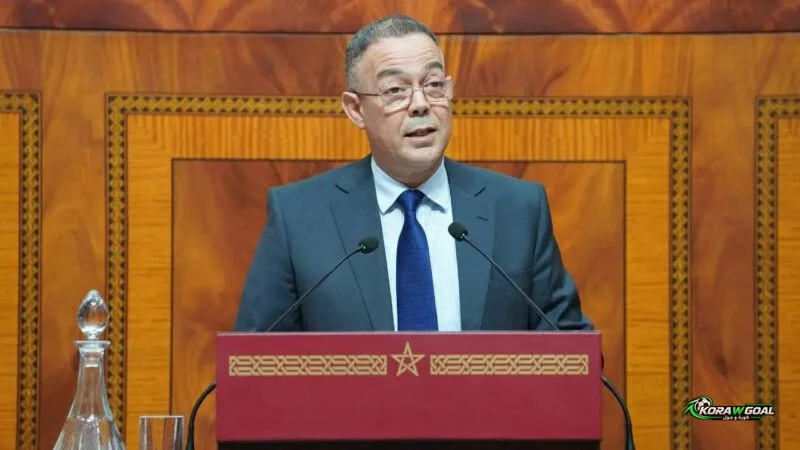
Fouzi Lekjaa said Morocco’s hosting of the 2030 World Cup is a collective responsibility and an opportunity to develop infrastructure and national capabilities, and to deliver economic and social benefits that will last beyond the tournament. He made the remarks during a discussion of the 2027 draft finance law by the Finance and Economic Development Committee of the House of Representatives.
Lekjaa described Casablanca as the heart of the World Cup, pointing to projects that include upgrading the airport, establishing a network of fast regional trains and building the Grand Hassan II Stadium. He added that Raja, Wydad and the national team would benefit from the stadium before the tournament, and that it would not be reserved solely for the World Cup.
On preparations for the tournament, he spoke of accommodating around five thousand people from FIFA and selecting a site for the International Broadcast Centre, saying the Casablanca Exhibition Centre was suitable to host it. He also said Morocco aspired to develop its domestic capacity to produce televised match coverage, citing its experience with the Africa Cup of Nations and calling for continued efforts to strengthen technical and human resources.
Lekjaa discussed the economic returns from broadcasting rights, noting that international companies market them in different countries and that the fact that some are headquartered outside Morocco raises questions about taxes and returns for the host country. He also stressed the importance of national companies benefiting from activities linked to the tournament’s organization, and referred to the legacy fund, which allocates part of the added value to the host country, while the remaining resources go towards the social development of football.
The minister called for a distinction between infrastructure investment and direct tournament-organizing expenses, saying that automatically including all projects in the cost of the World Cup or in debt does not reflect their nature. He cited investments by the National Office of Railways amounting to 104 billion dirhams and said that the total cost of the projects could only be determined after the final contracts were announced.
Lekjaa criticized the disparity in the pace of construction of sports facilities and social amenities, saying it was unacceptable for a stadium to be built in two years while a hospital takes 12 years. He stressed that the aim was for the impact of investment to reach all regions of Morocco and improve citizens’ lives, adding that citizens must be at the center of this momentum.