
What does the red poppy worn by Premier League players mean?
Premier League players and managers wear red poppies in October and November to remember those killed in war and honour military personnel and civilians who lost their lives in conflicts.
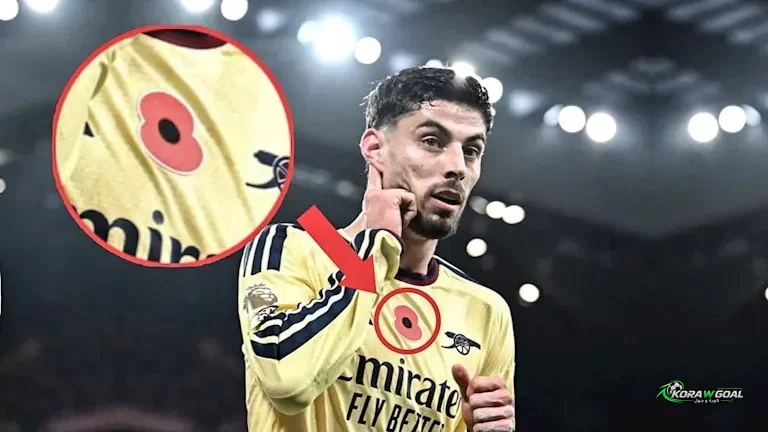
A number of Premier League players and managers wear a red poppy, known as a “poppy”, during October and November. The tradition commemorates those killed in war and honours military personnel and civilians who lost their lives in conflicts. The custom extends beyond football grounds, with people across the United Kingdom wearing poppies during the period of remembrance for the First World War.
The flower became associated with the First World War after it grew abundantly in areas of fighting and destruction across Europe, and later became a symbol for remembering those killed in war. At football grounds, it appears on players’ shirts; managers and members of coaching and administrative staff also wear it. Proceeds from some products bearing the symbol go to charities that support veterans and their families.
Wearing the poppy is a personal choice, not a requirement, and refusing to wear one carries no sporting penalty or ban from playing. Among those who have declined to wear it is Irishman James McClean, because he associates the symbol with the British military establishment and its background in the Northern Ireland conflict. Serbian player Nemanja Matić also refused to wear one in a match, citing memories of his country being bombed during his childhood, while stressing that he respects those who wear it.
Premier League clubs support the Royal British Legion’s initiative by auctioning match-worn shirts bearing the poppy, with the money raised going to support the organisation and the British military community. On 11 November each year, the United Kingdom remembers those killed in war with two minutes of silence, alongside ceremonies commemorating the armistice that ended the fighting in the First World War in 1918.