
Raphinha’s Form as a Striker Changes Barcelona’s Calculations
According to journalist Santi Ovaile, Barcelona were not confident that Raphinha would stay in the long term and considered attacking options such as Karim Adeyemi and Anthony Gordon. But the Brazilian’s strong form in a more central role has strengthened his standing in Hansi Flick’s project.
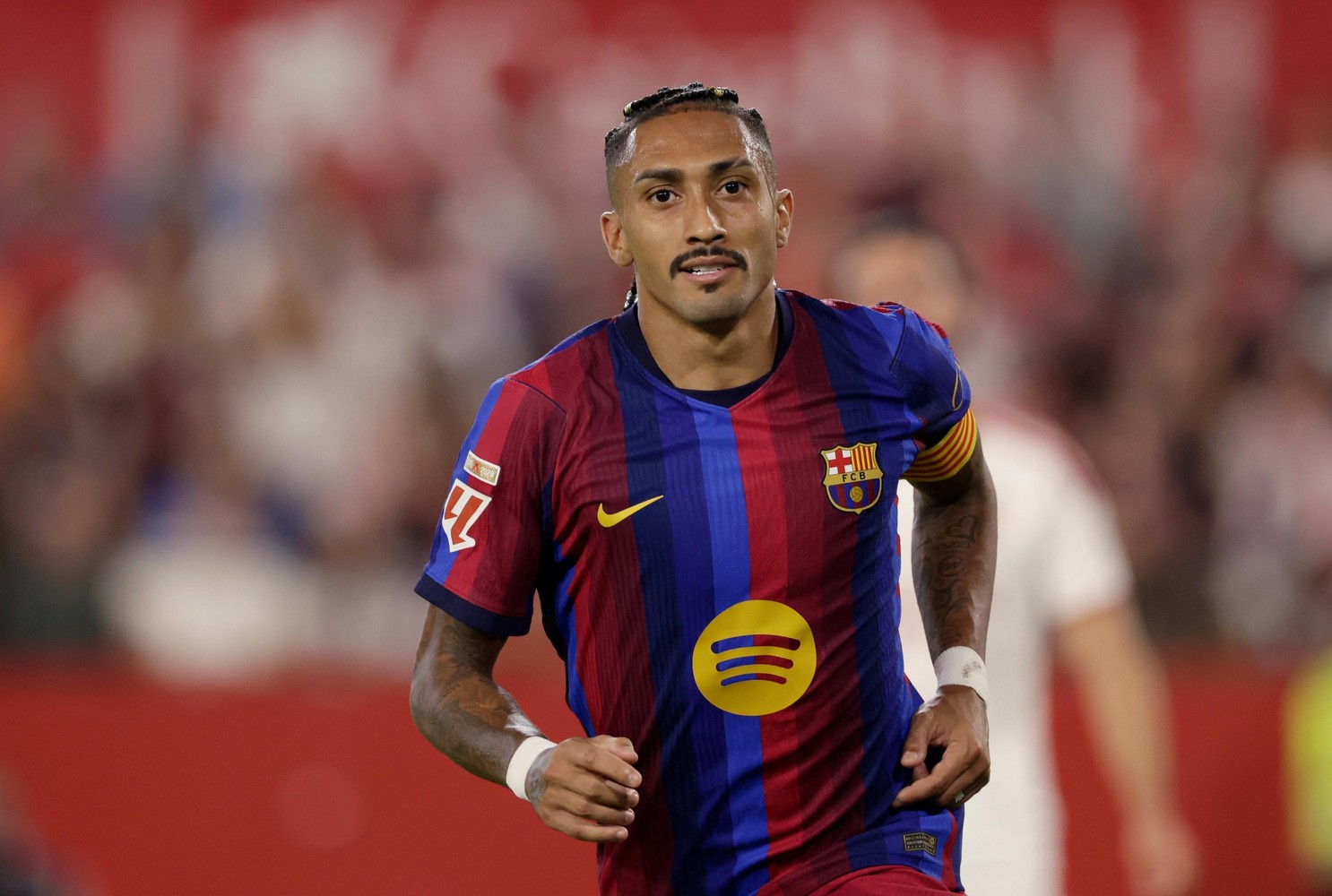
Raphinha’s strong form as a striker has changed how Barcelona view his role in the team, after the club had been preparing for the possibility that the Brazilian might not stay in the long term, according to journalist Santi Ovaile. The report says the club considered attacking options including Karim Adeyemi and Anthony Gordon before Raphinha’s performances gave the coaching staff reason to reassess their calculations.
From potential replacement to key figure
The report does not say that Raphinha had decided to leave; rather, it describes uncertainty within Barcelona about his long-term future, prompting the club to consider names who could provide attacking options. But moving him into a role closer to the centre-forward position revealed another side of his potential and brought him more prominently into the areas where attacks are decided.
According to Ovaile, Raphinha’s effectiveness in front of goal was not the only factor behind this shift; his pressing and work rate also helped support Hansi Flick’s style. In this role, the striker does not simply wait for the ball in the box, but also presses the opposition and makes runs to open up space—tasks that suit the Brazilian’s qualities.
Why have Barcelona’s calculations changed?
Using Raphinha in this way gave Flick a tactical option within the existing squad, rather than treating the attack as dependent on one fixed position. His ability to move between the lines and get into the penalty area also gives the team flexibility in building attacks and allows it to use him differently from his traditional role on the wing.
Adeyemi and Gordon are mentioned in the report as part of the attacking options Barcelona considered to provide alternatives; this does not in itself mean that the club completed a deal or settled any player’s future. Nor does the report establish that Raphinha is guaranteed to stay for years to come. It does, however, explain that his strong form in the new position has enhanced his value on the pitch and made relying on him a key part of Flick’s vision for the attack.
Raphinha faces the challenge of consistency
The challenge now is to maintain his level and remain effective against different opponents and under different tactical conditions. If Raphinha continues to combine a goal threat with his work off the ball, he will give Barcelona another option in attack and make the names discussed as alternatives part of the club’s plans for cover and depth—not proof that his place in the project has been settled in favour of another player.
Raphinha’s strong form has therefore done more than add a new attacking option; it has also reshuffled Barcelona’s priorities. Even so, the details of the player’s future and the options the club may pursue will depend on decisions made by the team later on, while the report focuses on how his performances have changed the assessment of his current role.