
High Pressing and Man-Marking Are Changing the Role of Centre-Backs in the Premier League
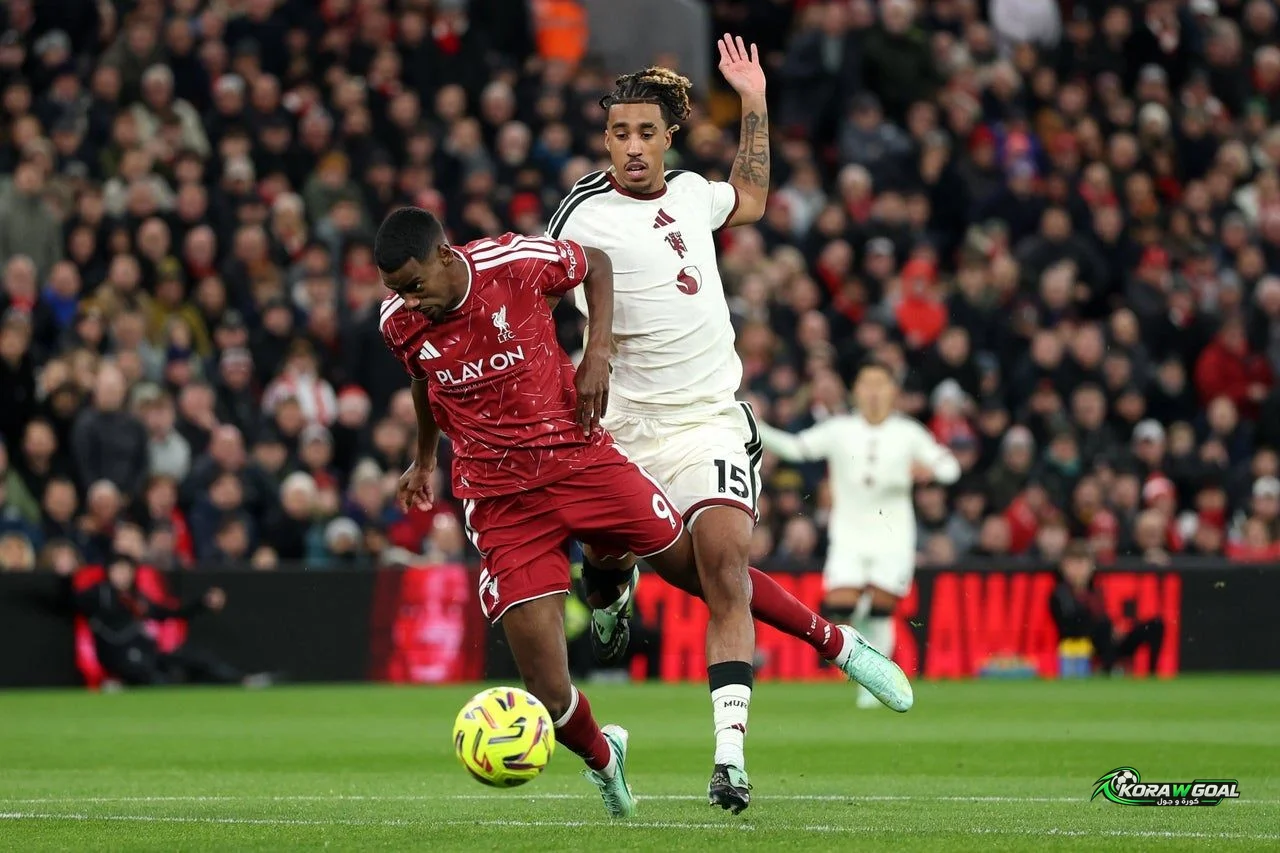
High pressing and man-marking systems are imposing broader roles on centre-backs in the Premier League, according to an analysis published by The Independent. Defenders are now required to face attackers in wide spaces, cover for their teammates, and possess pace, strength and the ability to build play.
The analysis highlights Manchester United’s 0-4 defeat to Liverpool at Anfield, in Mauricio Pochettino’s first match as United manager. It reports that Leny Yoro did not drop back to cover Matthijs de Ligt when Ronald Araújo sent a long ball towards Alexander Isak. After de Ligt’s mistake, Yoro brought Isak down outside the penalty area and was sent off, before his one-match suspension was overturned following United’s successful appeal. The article links Yoro’s actions to his assignment to mark Florian Wirtz as part of a man-to-man defensive plan, a responsibility that, according to the analysis, extended beyond the usual role of a centre-back.
The article offers Fulham as another example from their 1-1 draw with Manchester City. Calvin Bassey moved forward to mark Phil Foden, leaving his teammate David Avengrober, making his sixth Premier League appearance, to face Erling Haaland alone. The analysis argues that the plan demanded a strong individual performance from Fulham’s centre-backs.
The analysis also discusses Chelsea’s 1-4 defeat to Leeds and Jamie Carragher’s criticism of Wesley Fofana and Levi Colwill’s performances. It cites Arsenal spending up to 55 million pounds on Ezri Konsa and Liverpool up to 60 million on Jeremie Jacquet as evidence of the value placed on a defender able to combine technical skill with physical attributes. It concludes that the role of a centre-back in high-pressing systems requires excellence in one-on-one duels and aerial contests, the pace to recover position, as well as communication and leadership.