
Hallgrímsson: Ireland players raised global awareness with protest against Israel
Ireland manager Heimir Hallgrímsson praised his players’ stance during their 3-0 win over Israel in the UEFA Nations League, saying their actions helped draw global attention to the issue.
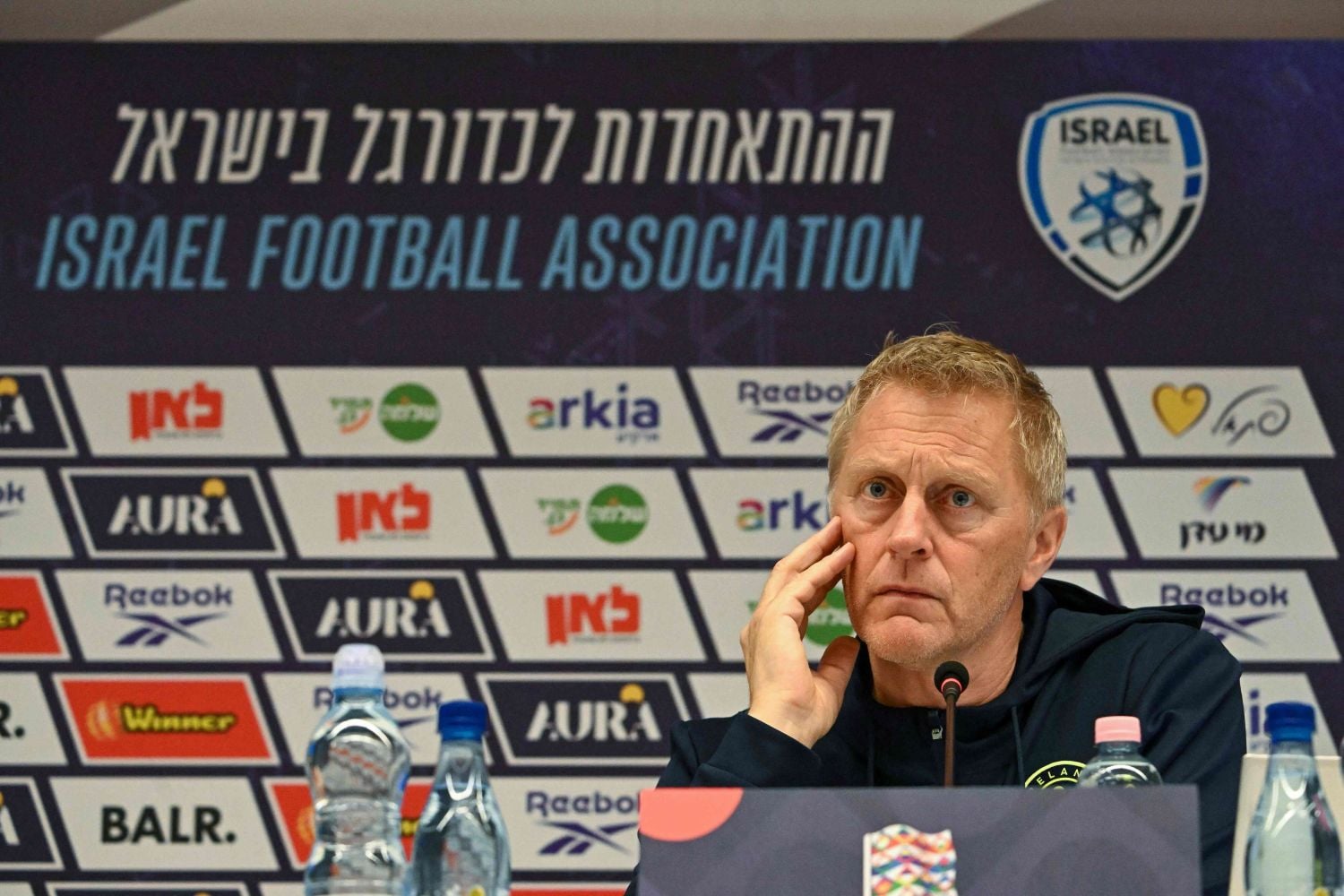
Ireland manager Heimir Hallgrímsson said his players had helped raise global awareness through their protest actions during their UEFA Nations League match against Israel, after Ireland won 3-0 in Debrecen, Hungary, on 27 September 2026.
Hallgrímsson’s comments came after a match marked by clear political sensitivity, as Ireland’s players refused to shake hands with their Israeli counterparts, wore black armbands and bowed their heads during the Israeli national anthem. The manager noted that these actions, alongside what the players had said, brought the issue to the attention of a wider audience beyond Ireland.
Ireland’s stance on the pitch
Hallgrímsson explained that his players had shown their support for the protest through their actions during the match, and said that drawing attention to an issue was one of the aims of protest. He noted that the players had expressed their views in more than one way, through both what they said and what they did on the pitch.
The match had been preceded by widespread debate over its staging, and was played at a neutral venue in Hungary. The Football Association of Ireland had also announced before the match that its players would not shake hands with Israel’s players, a stance that was maintained during the pre-match proceedings.
A three-goal win in the UEFA Nations League
Alongside the protest atmosphere, Ireland secured an important result by beating Israel by three goals to nil. The match was part of the UEFA Nations League and saw sporting events intertwined with the positions expressed before and during the game.
The Ireland manager affirmed his respect for individuals’ right to express their views and protest, but also pointed to the need to protect players and their families from pressure they might face because of representing the national team. His post-match comments thus combined praise for the impact of his players’ actions with a warning about the effect the controversy surrounding the match could have on them.
Attention now turns to the return match between the teams in Dublin on 4 October 2026, amid continued interest in what may happen in the next encounter, both on and off the pitch.