
Controversy Over Hossam Hassan’s Comments on Egypt Stars: El Shenawy, Salah and Mostafa Mohamed in the Spotlight
Hossam Hassan’s decisions regarding Mohamed El Shenawy, Mohamed Salah and Mostafa Mohamed have reignited debate over how Egypt’s stars are managed, balancing the coach’s right to choose with the importance of clear communication with players and fans.
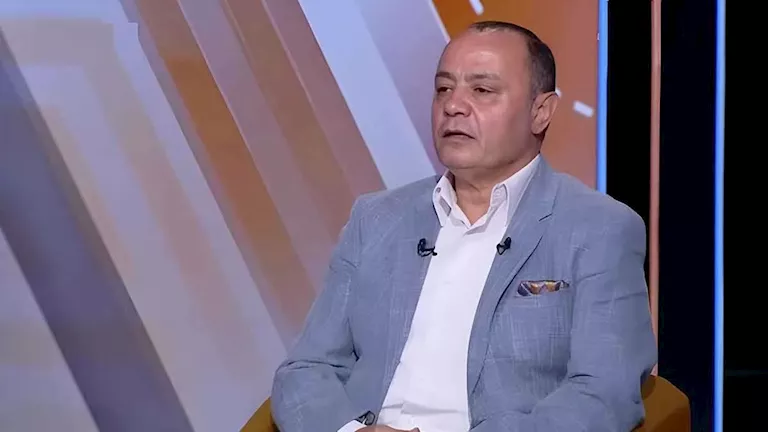
Decisions and comments by Hossam Hassan, head coach of Egypt, have reignited debate over how to manage matters involving players with a major presence in the Pharaohs’ squad. Discussions have focused on Mohamed El Shenawy’s omission from the September camp squad, Mohamed Salah’s substitution against Angola, and Mostafa Mohamed’s absence from the 2026 World Cup squad.
El Shenawy’s omission and the explanation for the decision
Mohamed El Shenawy was absent from the national team squad for the September camp, which included matches against Angola and South Sudan in the 2027 Africa Cup of Nations qualifiers. Hossam Hassan presented the omission as a technical decision and denied there was a personal rift with the goalkeeper. However, a description the coach used when referring to an earlier period in El Shenawy’s club career drew criticism and left room for his comments to be interpreted as something other than a footballing matter.
The situation is sensitive because El Shenawy is a familiar name to national team fans, so the discussion is not limited to the squad selection itself; it also extends to how the decision is presented. At the same time, assessing fitness, playing time and performance falls within the coaching staff’s remit, and debate over the wording alone does not establish that there is a rift between the coach and the player.
Mohamed Salah: the substitution and the absence
Mohamed Salah was substituted during the match between Egypt and Angola, a decision Hossam Hassan said was based on his technical assessment and the demands of the game. The national team captain then missed the match against South Sudan, amid media speculation about the nature of his relationship with the head coach.
The coach, however, denied there was a problem with Salah and said he valued his standing, explaining that his absence from the South Sudan match had been agreed in advance and was a precaution because the pitch had an artificial-grass surface. A distinction should be made here between substituting a player during a match, which is a technical decision, and not playing him in a later game for reasons related to protecting his fitness.
Mostafa Mohamed’s case adds to the debate
The debate also extends to Mostafa Mohamed’s omission from Egypt’s final squad for the 2026 World Cup. Hossam Hassan presented the decision as a technical choice, while media coverage circulated explanations related to his form and playing time at his club, alongside other interpretations that were not presented as confirmed reasons. Those speculations should therefore not be treated as established fact.
Where does the technical decision end and the controversy begin?
A player’s standing does not make him immune to being substituted or omitted, just as a coach’s right to choose does not diminish the importance of communicating decisions precisely, especially when they involve prominent names. Ultimately, the national team’s performances and results will be decisive in these matters, alongside the clarity of the messages from the coaching staff.
With El Shenawy, Salah and Mostafa Mohamed, the debate is about managing selections and communicating them to the media, not about an established personal rift. As the national team’s campaign continues, the decisions will remain subject to public scrutiny, while the final judgment will depend on what the team delivers on the pitch.